Sensory Salt Trays: Letter Formation Writing Activity for Reception
25 March 2026
Handwriting requires a lot of working memory and physical control. These tactile salt trays remove the pressure of holding a pencil, allowing children to focus purely on feeling the shape of the letters they are learning in phonics.
- Shallow baking trays (or sturdy paper plates)
- Table salt (or dry sand, plain flour, or cornmeal). Check for gluten or wheat allergies before using flour
- Food colouring (optional, to dye the salt)
- A dry paintbrush (optional, for children who dislike touching salt)
- Zip-lock bags (optional, for dyeing the salt)
- Phonics flashcards or letter prompt cards
Step-by-Step Setup
1. Colour the Salt (Optional)
To make it extra inviting, put your salt in a zip-lock bag, add a few drops of food colouring, and scrunch it until the colour spreads. Pour a thin layer into your shallow baking trays.
2. Introduce the Focus Sound
Show a phonics flashcard of the grapheme you are practising. Model tracing the letter in the air with your 'magic finger', explicitly stating the formation phrase (e.g., 'around the apple and down the leaf').
3. Trace in the Tray
Have the children use their index finger to trace the letter into the salt. The contrast of the tray bottom showing through provides instant visual feedback. "Did you start at the top or the bottom?"
4. Shake and Erase
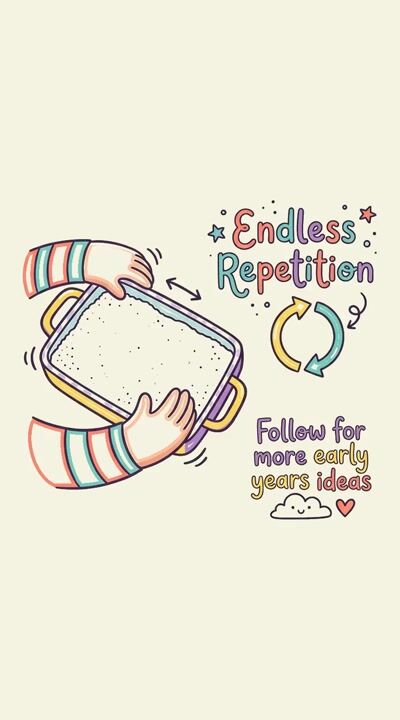
The best part! Teach the children how to give the tray a gentle, horizontal shimmy to 'erase' the letter and make a fresh canvas. This is highly motivating and encourages endless repetition.
5. Progress to Words
Once individual letters are secure, place a simple CVC word card (like 'cat' or 'dig') next to the tray. See if they can fit the whole word across the tray, remembering to leave a small finger space.
Classroom Adaptations
Large class?
Use as a targeted adult-led phonics intervention group, rotating 4-5 children at a time.
Limited resources?
Instead of trays, just use flat cardboard offcuts and everyday plain flour from the school kitchen.
Mixed ages?
Younger ones can trace simple vertical or horizontal lines, building up to distinct, recognisable letters.
High ability?
Ask them to spell a word independently without a prompt card, simply by sounding it out phonetically.
Get Weekly Activity Ideas
Practical, curriculum-linked activities delivered to your inbox every Monday. Free forever.

TeachScribe
TeachScribe is an AI-powered observation platform that helps Early Years practitioners capture, assess, and document children's learning in seconds.